
















CATL showcases energy storage technologies at WFES 2026 as Middle East advances clean energy transition
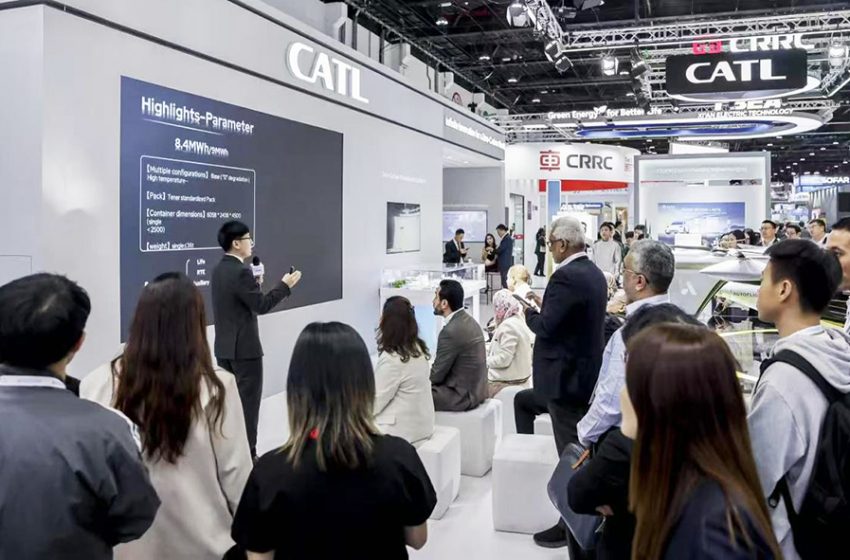
CATL highlighted the growing role of energy storage in supporting the Middle East’s clean energy transition during its participation at the 2026 World Future Energy Summit (WFES), as governments and industries across the region accelerate investments in renewable power and electrification.
The global energy technology company showcased a range of solutions designed to address challenges associated with large-scale renewable deployment, grid resilience and rising electricity demand. As solar and other renewable projects expand across the region, energy storage is increasingly being recognised as a critical component of modern energy systems.
“Renewable energy deployment is accelerating across the Middle East, but storage is essential to ensure stability and reliability,” said Kui Weng, Chief Executive Officer of CATL Energy Storage Solutions in the Middle East. “Energy storage allows renewable power to be used more effectively while supporting long-term system performance.”
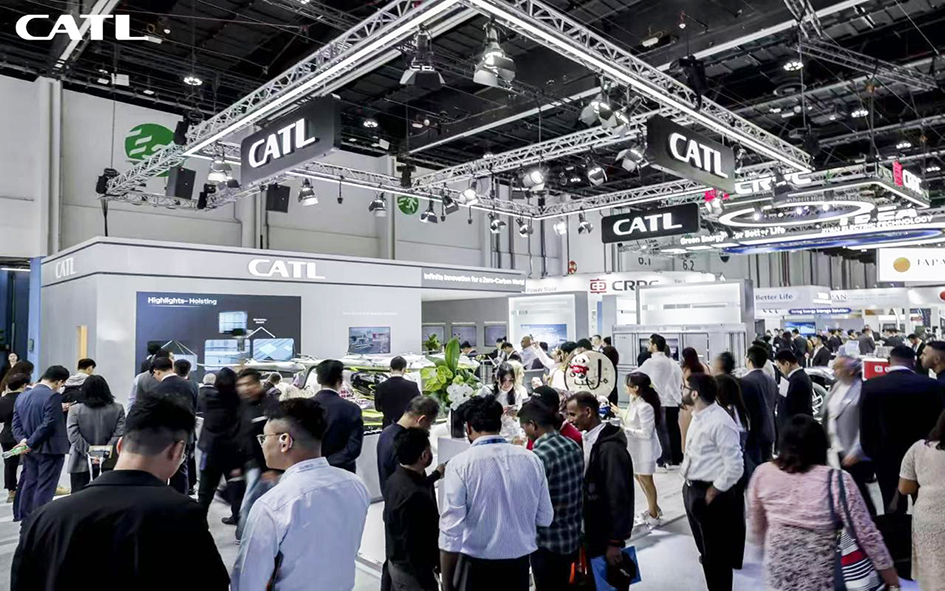
At WFES 2026, CATL presented its Tener Stack energy storage solution, which has been developed for large-scale applications and demanding operating environments. Designed to support utility-scale renewable integration, the system addresses practical considerations such as land use, transport efficiency and deployment speed—factors that are becoming increasingly important as projects scale across the region.
According to CATL, energy storage plays a central role in balancing supply and demand, improving grid resilience and enabling higher utilisation of renewable energy assets. As renewable capacity grows, storage systems help reduce curtailment and support more predictable power generation, particularly during peak demand periods.
The company also highlighted the role of energy storage in supporting the expansion of electric vehicle charging infrastructure. As public and commercial charging networks continue to grow, particularly for logistics and fleet operations, charging stations are placing greater demand on power grids.
“Fast-charging infrastructure requires a stable and predictable energy supply,” Weng said. “Energy storage can help manage peak loads and support reliable charging performance without placing excessive pressure on existing grid infrastructure.”
Beyond transport, CATL emphasised the relevance of energy storage for industrial and commercial applications, including ports, logistics centres and manufacturing facilities. These sectors are increasingly adopting electrified equipment to improve efficiency and reduce emissions, creating new demand for flexible and reliable power solutions.
Energy storage enables industrial operators to smooth power demand, reduce reliance on diesel-based equipment and support continuous operations. According to CATL, battery-based systems also offer operational benefits such as lower maintenance requirements and improved energy efficiency.
CATL used the summit to engage with regional stakeholders and discuss the evolving energy landscape in the Middle East. Events such as WFES provide a platform for technology providers, policymakers and industry participants to exchange insights and explore collaboration opportunities.
As the region advances its clean energy ambitions, CATL noted that energy storage is moving from pilot deployment to core infrastructure. The company concluded that continued investment in scalable storage solutions will be essential to supporting renewable integration, electrification and long-term energy resilience across the Middle East.